Custom Birthday Paper Decoration Sets for Retail Brands: Themes, Components and Packing
Finding the right products for your retail brand's birthday category can feel like a frustrating loop. You’re faced with generic, uninspired options that don't reflect your brand's
Finding the right products for your retail brand's birthday category can feel like a frustrating loop. You’re faced with generic, uninspired options that don't reflect your brand's style, leading to poor sales and missed opportunities. The result? Your birthday aisle looks just like your competitor's. The solution lies in creating custom birthday paper decoration sets that are strategically designed from the ground up to connect with your specific customer.
A successful custom birthday paper decoration set is a strategic product developed by defining three key elements: a customer-centric theme, a balanced mix of components based on your target retail price, and packaging designed for both efficient shipping and a fantastic in-store and unboxing experience. It’s about creating a unique collection, not just picking from a catalog.
Getting these three things right transforms a simple party good into a must-have item that builds your brand. It’s the difference between a product that sells through at full price and one that ends up in the clearance bin. Let's dig into how you can start specifying a set that truly works for your business.
How Do You Define a Theme for Custom Birthday Paper Decoration Sets?
So many conversations with buyers start with the question, "What themes do you have?" This feels like the right place to begin, but it immediately puts you on a path toward a generic product. When you're just picking from a list of "pirates" or "princesses," you're buying a commodity. A better approach is to start with who you are selling to, which allows you to develop a theme that feels unique to your brand.
The most effective way to define a theme for custom birthday paper decoration sets is to first identify your target end-customer. Your theme isn't just a visual motif; it's a strategic decision about the mood, color palette, and style that will resonate with a specific shopper, whether they're a parent planning a first birthday or an adult celebrating a milestone.
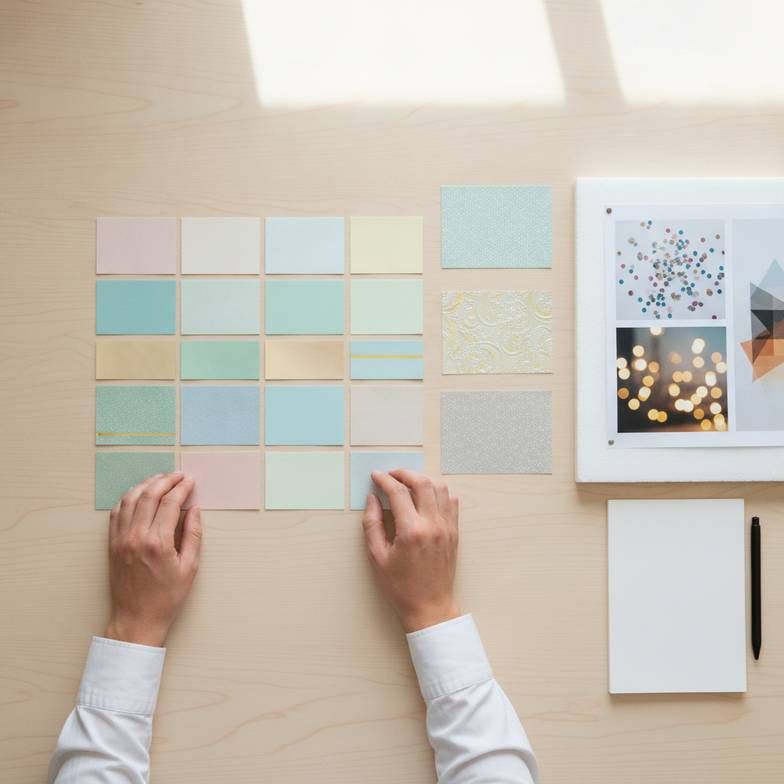
Dive Deeper: Theme is Strategy, Not Just a Picture
When we work with retail brands, the first thing we try to understand is their customer. "Birthday" is a massive category, but the person buying decorations for a one-year-old has completely different motivations than someone buying for a 30th birthday party.
Who is This Birthday Really For?
Let's break down how the end-user changes the entire theme strategy.
- First Birthday: The buyers here are the parents. They are often looking for something photogenic, a bit nostalgic, and sweet. Themes might lean into soft pastels, gentle animal motifs, or classic storybook vibes. The "customer" is the parent creating a memory.
- Kids' Party (Ages 5-10): This is where specific character types or interests come in, but it still needs to align with your brand. Instead of a licensed character, you could develop a unique "Dino Explorer" or "Cosmic Voyager" theme with a proprietary color story and art style.
- Tween Party (Ages 11-14): This group is all about trends. They are influenced by social media aesthetics. Think less about cartoon characters and more about color palettes, cool fonts, and "Instagrammable" moments. Themes might be "Retro Roller Disco" or "Boho Picnic."
- Adult Milestones (21, 30, 40, 50+): These buyers often want something more sophisticated. Themes can be minimalist, luxurious, or humorous. Think "Aged to Perfection" with black and gold, a "Roaring Twenties" Gatsby-style party, or a simple, elegant theme with beautiful typography.
The Brief is Your Most Powerful Tool
Instead of asking a manufacturer what they have, you will get a much better product by giving them a brief. This shifts the conversation from a passive review of a catalog to an active, collaborative development process. A good brief doesn't need to be long, but it should include a few key points.
A strong brief includes:
- Target Customer: Who are you selling this to? (e.g., "Moms of toddlers, aged 1-3")
- Brand Guidelines: Your brand's general aesthetic. (e.g., "Minimalist, eco-conscious, with a neutral color palette")
- Inspiration/Mood Board: A few images that capture the feeling you want.
- Target Retail Price: What do you want this to sell for in your store? This is critical for us to know.
- Desired Components: A rough idea of what you think should be in the set (e.g., "A banner and some table decorations").
When a buyer comes to me with this information, I know we can create something special together. Without it, I can only show you what we've made for others.
What Components Should Go Into Your Custom Birthday Paper Decoration Sets?
You've got a great theme in mind. Now, what actually goes in the box? It's tempting to either cram the set with as many small, cheap items as possible or just focus on one big "wow" piece. Both can be mistakes. A set stuffed with low-quality fillers feels cheap, while a set with only one item might not feel like a good value.
The ideal components for custom birthday paper decoration sets are chosen to create a balanced "portfolio" that hits three targets: high visual impact, a manageable unit cost, and a simple, positive experience for the end-user. The right mix is determined by your target retail price and the value you want your customer to perceive.
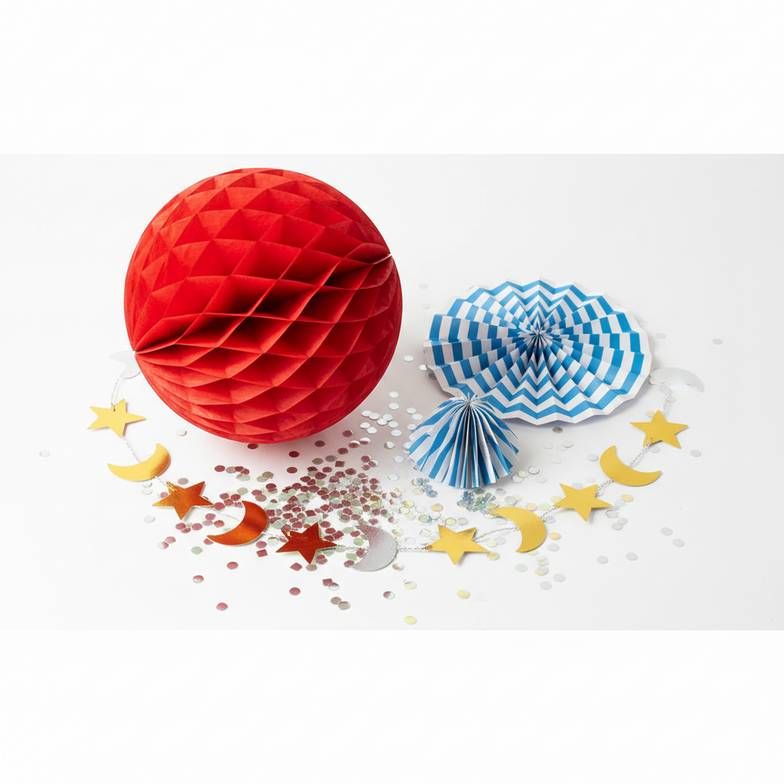
Dive Deeper: The Trade-Off Triangle of Components
When we develop a set, we are constantly balancing a triangle of factors: visual impact, production cost, and user experience. Getting this balance right for your target price point is the key to a profitable product.
The Three Corners: Impact, Cost, and Experience
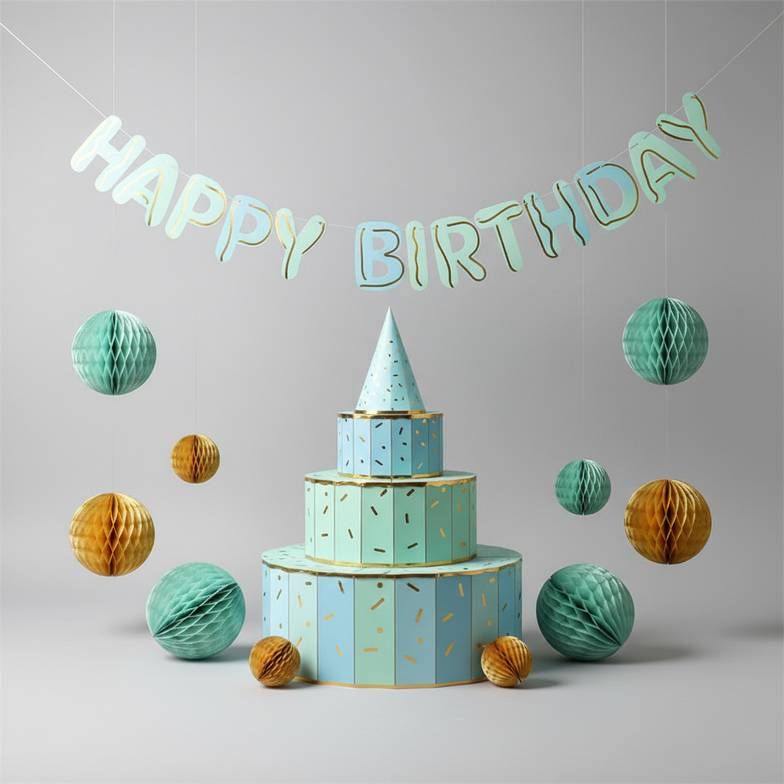
- Visual Impact: These are your "hero" items. Large honeycomb paper centerpieces, complex 3D structures, or oversized banners create an immediate "wow" factor. They have a high perceived value but also a higher production cost due to materials and assembly. Our foldable honeycomb structures are perfect for this, as they create a huge impact but can be packed flat.
- Cost Efficiency: These are your "filler" components. Think printed paper garlands, small paper fans, table confetti, or cupcake toppers. They are cost-effective to produce and help make the set feel complete and generous. The trick is to ensure their quality and design still feel premium and cohesive with the hero items.
- User Experience: This is all about the person setting up the party. Are the decorations easy to assemble? Is the garland pre-strung? Are the instructions clear and simple? A frustrating setup experience can ruin the perception of an otherwise beautiful product. Foldable items with magnetic closures that can be easily put up, taken down, and even reused are a huge win here.
Building a Set for Your Price Point
The mix of these components depends entirely on the price you want to sell the set for. Here's how we might approach it:
| Set Type | Key Impact Piece | Filler & Supporting Items | Experience Focus | Target Price |
|---|---|---|---|---|
| Budget-Friendly | Printed "Happy Birthday" Banner | A few paper fans, basic confetti | All-in-one polybag, simple items | Low ($) |
| Mid-Range | Honeycomb Garland or Medium Centerpiece | Themed banner, cupcake toppers | Foldable, intuitive items; clear instructions | Medium ($$) |
| Premium / Boutique | Large Honeycomb Centerpiece + Banner | Matching honeycomb ornaments, high-quality table scatter, reusable pieces | Premium box, magnetic closures for reuse | High ($$$) |
The goal is to build a cohesive scene. A banner for the wall, a centerpiece for the table, and a few hanging elements for depth—together, they create a complete decorative look that feels intentional and well-designed, justifying the price tag for the customer.
Why is Packing So Crucial for Custom Birthday Paper Decoration Sets?
So often, packaging is the last thing a buyer thinks about. The theme is perfect, the components are balanced, and then the question comes: "How should we pack it?" This is a mistake. Treating packaging as an afterthought can lead to damaged products, a poor impression on the retail shelf, and a frustrating moment for the customer at home.
Packaging for custom birthday paper decoration sets has to do three jobs perfectly. It must protect the product during bulk shipping, serve as a silent salesperson on a crowded retail shelf, and provide a delightful, frustration-free unboxing and setup experience for the person throwing the party.
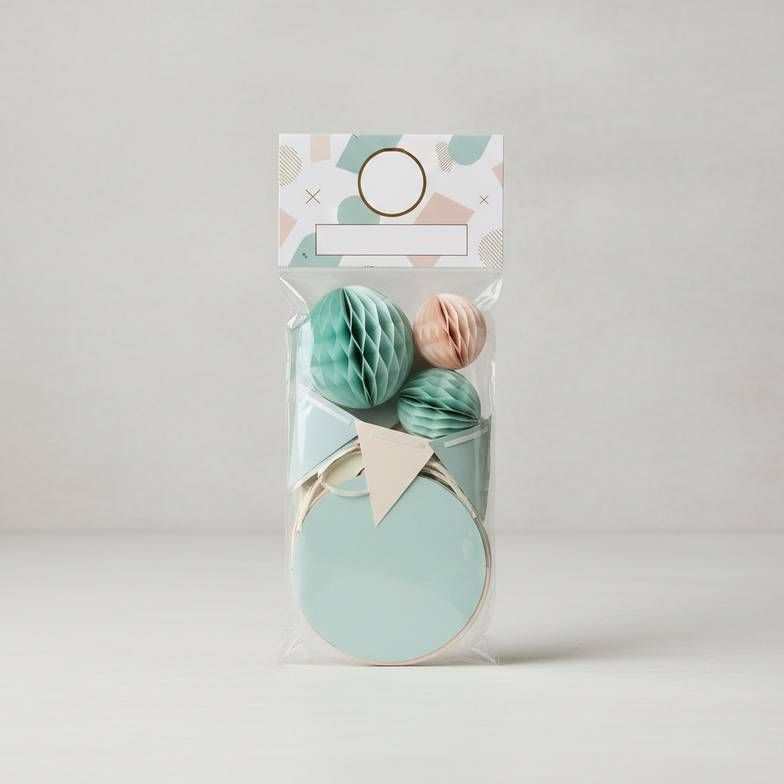
Dive Deeper: Packaging’s Three Critical Jobs
From my experience on the factory floor, I can tell you that packaging design is just as important as the product design itself. We have to plan for its entire journey.
Job 1: Survive Global Shipping
Your decoration set isn't just going down the street; it's going into a master carton, onto a pallet, into a shipping container, and across an ocean. The packaging must be designed for logistical efficiency.
- Flat-Packing is Key: This is a major advantage of honeycomb paper decorations. A large, 12-inch honeycomb ball can fold down to be less than half an inch thick. This dramatically reduces volume, which in turn cuts shipping costs.
- Master Carton Optimization: We design the retail packaging to fit perfectly into standard master cartons, minimizing wasted space. This means more units per carton and a lower freight cost per unit for you.
- Durability: The retail box or bag has to be strong enough to arrive at your distribution center looking as good as it did when it left our factory.
Job 2: Win on the Retail Shelf
Now your product is in the store. It's sitting next to dozens of other options. The packaging is your one chance to grab a shopper's attention.
- Polybag vs. Box: A simple polybag with a branded header card is a cost-effective option for lower-priced sets. A printed box feels more premium and offers better protection. A box with a clear window is even better, as it allows customers to see the quality of the materials inside without opening it.
- Visuals and Information: The packaging needs to clearly show what's inside. A great photo of the set in action is essential. It should also list all the components so the customer knows exactly what they are getting.
- Durability in-store: I've seen it happen many times. Flimsy packaging gets crushed or torn on the peg hook, and the product becomes unsellable. The package must be tough enough to be handled by curious shoppers.
Job 3: Delight the Customer at Home
The final job is maybe the most important. The customer gets home, opens the package, and starts setting up for the party. This moment should be easy and fun, not confusing and frustrating.
- Clear Instructions: A simple, visual instruction sheet is a must, especially for 3D honeycomb items.
- No Tangles, No Mess: Components should be packed in a way that they are easy to remove and don't create a tangled mess.
- The Unboxing "Moment": Good packaging makes the customer feel smart and reinforces their purchase decision. This contributes directly to their overall satisfaction with your brand.
Frequently Asked Questions
How much customization is possible for birthday decoration sets?
A lot is possible, but it depends on your order quantity. Changing colors to match your brand's Pantone codes, creating new print designs, and mixing and matching existing components are relatively simple. Creating completely new 3D structures or requiring custom-dyed paper is more complex and will require a higher minimum order quantity (MOQ).
What is a typical MOQ for custom birthday paper decoration sets?
This varies widely. A set using our existing dies and standard paper colors might have a lower MOQ. A fully custom set with unique shapes, special finishes, and custom-printed packaging will require a higher commitment to cover tooling and development costs. It's best to discuss your project with us to get a specific number.
How do I ensure color consistency across different paper components?
The best way is to provide Pantone (PMS) color codes in your technical brief. As a manufacturer, we use these codes as a universal standard for color matching. We always recommend getting a pre-production sample to approve with your own eyes before we start the full production run. This ensures the final product matches your vision.
What's the lead time for producing a custom set?
You should plan for a lead time of 45 to 90 days after you have approved the final pre-production sample. This window depends on the complexity of the set, the total order quantity, and how busy the factory is. For seasonal items, it's critical to start the development process 6-9 months in advance of your target launch date.
Conclusion
Creating standout custom birthday paper decoration sets is far more than just picking a few cute items. It's a strategic process that involves deep thinking about your customer, your brand, and your price point. By shifting your focus from "what's available?" to "what should we create?", you empower yourself as a buyer. Remember the three pillars: define your theme based on your customer, build a balanced set of components that delivers value, and design packaging that succeeds in logistics, retail, and the customer's home. This thoughtful approach is what turns a simple party product into a brand-building bestseller.
If you're ready to develop a birthday decoration collection that truly reflects your brand's identity and excites your customers, our team is here to help. Contact us to discuss your brief and explore how we can partner to build a beautiful and profitable product line together.