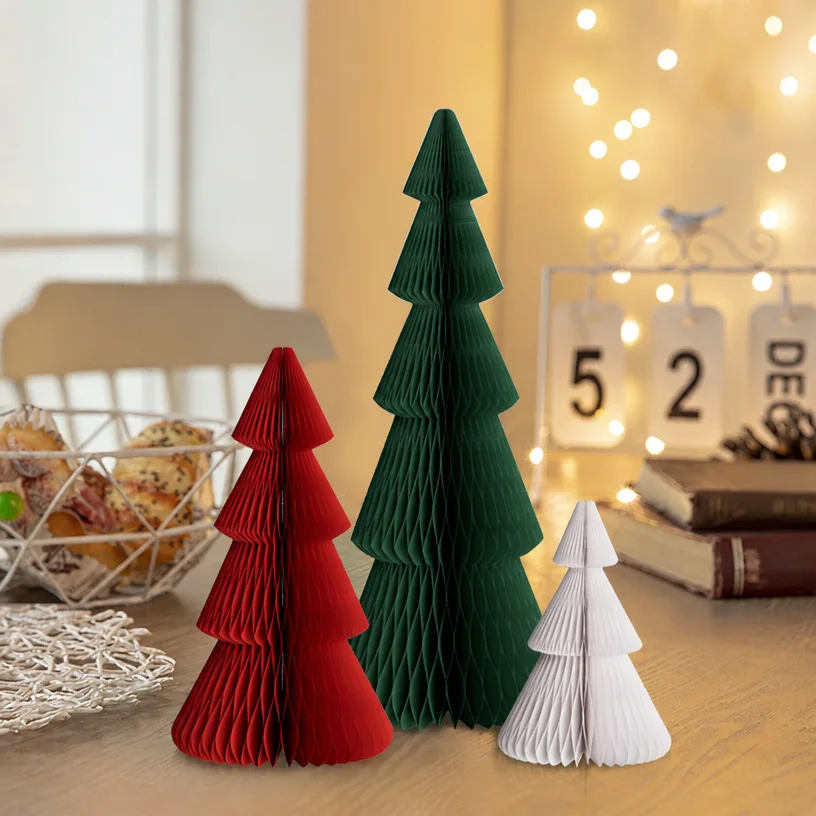
Christmas Honeycomb Decorations Wholesale: How to Build a Coordinated Retail Range
Sourcing a Christmas collection that looks great in a supplier's catalog is one thing. But what happens when the shipment actually arrives? I’ve seen it happen: mismatched colors,
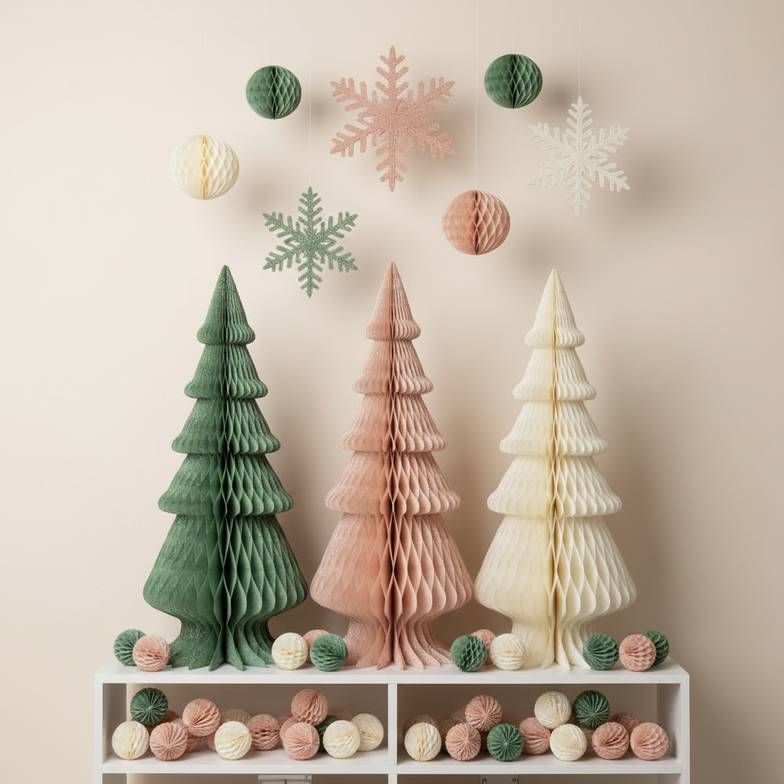
Sourcing a Christmas collection that looks great in a supplier's catalog is one thing. But what happens when the shipment actually arrives? I’ve seen it happen: mismatched colors, bulky items that are impossible to store, and pieces that don't fit the display plan. This can quickly turn a beautiful vision into a logistical nightmare. The secret is to approach sourcing Christmas honeycomb decorations wholesale not as just picking products, but as building a strategic, coordinated retail range from the ground up.
Building a coordinated retail range with Christmas honeycomb decorations wholesale involves defining the merchandising job for each product—from large window displays to dense tabletop assortments. It requires specifying logistical details like folded dimensions and closure types, and aligning production schedules with your supplier for a timely, profitable launch.
Moving beyond simply matching colors unlocks a much more strategic approach to sourcing. It's about making sure every single piece in your collection serves a clear purpose, from catching a customer's eye across the store to encouraging an impulse buy at the checkout. Let's break down how to think like a seasoned visual merchandiser and avoid common pitfalls.
How Do You Define the 'Job' of Each Decoration?
You've found a beautiful honeycomb star that you love, but have you thought about where it's going to live? Is it for a high-up window display, a crowded shelf, or a promotional table? Choosing decorations without a clear purpose often leads to a display that feels disjointed and commercially ineffective. Let’s get that sorted out.
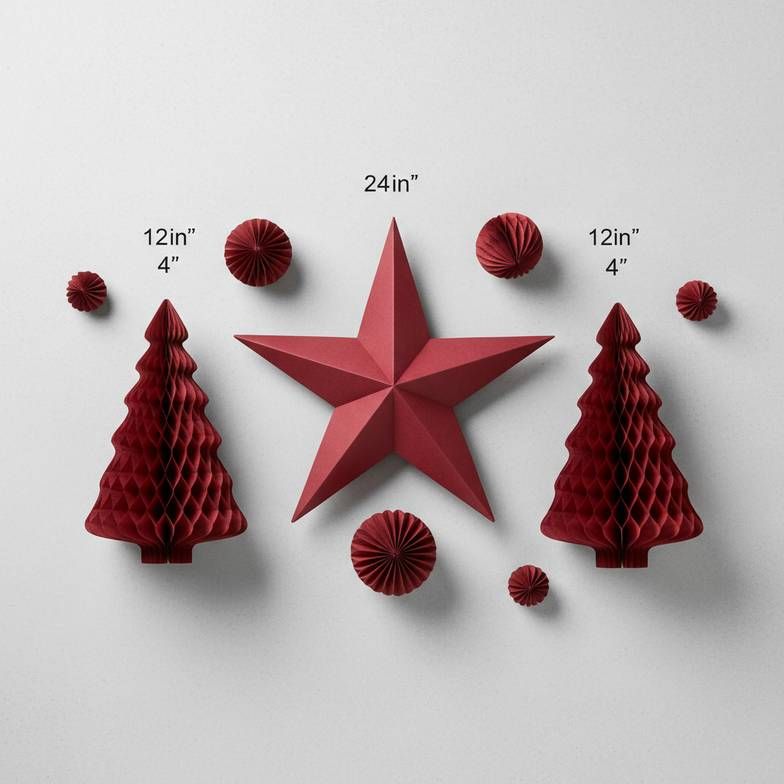
The best way to start is by defining the 'job' of each decoration based on its planned location and commercial goal. Ask yourself: Is this a high-impact "Hero" piece for windows, a smaller "Filler" item for creating density on shelves, or a "Focal Point" for a special promotional table?
Dive Deeper: Matching Form to Function
A common mistake I see sourcing teams make is buying a case of one item and trying to use it everywhere. A successful range is a mix of different formats, each designed for a specific task. I always advise clients to think in terms of three main categories.
The 'Hero': Large-Format Window Displays
These are your showstoppers. The job of a Hero piece is to grab attention from the street and pull people into the store.
- Scale is Everything: For a window display, you need items that are big enough to be seen from a distance. Think about large, 3-foot wide honeycomb snowflakes, massive multi-layered trees, or giant hanging ornaments.
- Structure Matters: These pieces need to be structurally sound but lightweight enough to hang safely. The foldable nature of honeycomb paper is a massive advantage here, as it allows you to create huge, dimensional shapes that are still easy to handle and install. When talking to a supplier, ask about the paper's grammage (or gsm) and the internal structure to ensure it won't sag over time.
The 'Filler': Tabletop and Shelf Assortments
Filler items are the workhorses of your collection. Their job is to create a sense of abundance, add texture, and reinforce your color story up close.
- Density and Detail: These are the smaller items customers will see and touch, like mini honeycomb trees, balls, and stars. You can group them on tables and shelves to create a lush, dense display.
- Consistency is Key: For these items, color consistency across different shapes is critical. A "pine green" honeycomb ball should perfectly match the "pine green" honeycomb tree right next to it. This is a crucial point to discuss during the sample approval stage.
- Practicality: Do they have a stable base for tabletop use? Do they have a quality hanging loop? These small details affect how the store team can actually use them.
The 'Focal Point': Promotional Zone Structures
Sometimes, a decoration needs to do more than just decorate—it needs to be part of the store's architecture. These pieces define a space.
- Beyond Decoration: Think about using large, freestanding honeycomb structures to build a "Christmas corner" or guide customer flow. We've worked on projects that include honeycomb paper stools for a photo op, temporary display plinths, and large archways.
- Durability and Safety: Even if they are for temporary use, you must discuss their durability. If customers might sit on a paper stool or lean against a display, you need to be very clear with your supplier about the intended use and ask about its load-bearing capacity.
Why Do Logistical Details Matter More Than a Low Unit Price?
A low per-unit price always looks great on a purchase order. But I've seen how hidden costs in shipping, storage, and in-store setup can completely destroy your profit margins. Are you really calculating the total cost of ownership for your Christmas honeycomb decorations wholesale program?
Logistical details like the folded vs. open dimensions, the type of closure mechanism, and the wholesale packaging strategy directly impact your freight costs, warehouse space, setup labor, and reusability. These factors often outweigh any small savings you might get on the unit price.
Dive Deeper: Uncovering the True Cost
Seasoned visual merchandisers and sourcing managers know that the conversation isn't over when the price is agreed upon. The real value is found in the details that make the entire program efficient from the factory to the sales floor.
Folded vs. Open Dimensions: The Hidden Shipping Cost
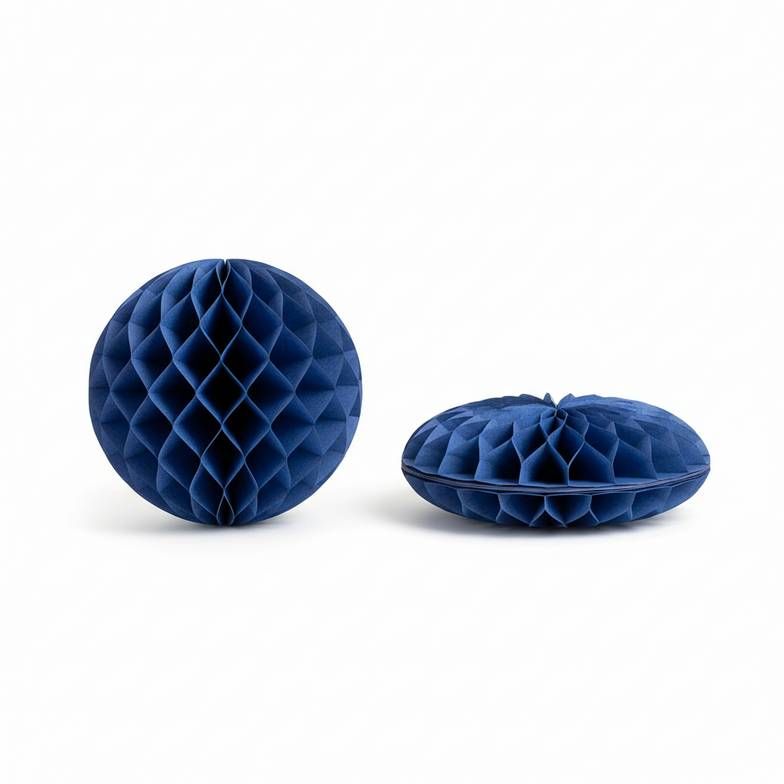
Air and sea freight costs are often calculated by volumetric weight, not just actual weight. This means bulky, lightweight items can be surprisingly expensive to ship. This is where honeycomb paper shines.
- The Power of Flat-Packing: A giant 36-inch honeycomb ball can fold down to a flat semi-circle that's maybe an inch thick. This drastic reduction in volume means you can ship thousands of units for a fraction of the cost of rigid, non-foldable decorations.
Let's look at a quick comparison:
| Feature | Rigid Plastic Ball | Foldable Honeycomb Ball |
|---|---|---|
| Open Diameter | 24 inches | 24 inches |
| Est. Shipping Box | 24" x 24" x 24" | 13" x 24" x 2" (for one unit) |
| Volumetric Impact | Very High | Very Low |
| Shipping Efficiency | Poor | Excellent |
When you're shipping thousands of units for a multi-store rollout, this difference is enormous. Always ask for the folded dimensions and estimated carton size when getting a quote.
Magnets vs. Adhesive: The Labor and Reusability Factor
Honeycomb decorations are typically held open with either a strip of double-sided tape or a few small magnets. This seems like a minor detail, but it has major consequences.
- Adhesive Tape: This is often the cheaper option per unit. It's fine for a one-time use display. However, the tape can tear the delicate paper when you try to close it, making the item single-use. It also requires store staff to peel and stick each one, which adds up in labor time.
- Magnetic Closures: These are a game-changer. Small magnets embedded in the ends allow the decoration to be opened and closed in seconds, with no damage. This is essential if you plan to reuse the decorations for multiple seasons. For large rollouts, the time saved by store staff on setup and takedown can easily justify the slightly higher unit cost.
Wholesale Packaging for Retail Rollouts
How your decorations are packed can make or break the efficiency of your rollout. A common question from sourcing teams is about master cartons and inner packs, but the smartest buyers ask about store-specific kits.
- Think Like a Stockroom Manager: Imagine a busy stockroom in late October. Do you want your store managers to receive 10 giant boxes of mixed SKUs they have to sort through? Or would they prefer one master carton labeled "Store 101 Display Kit" that has exactly what they need?
- Supplier Collaboration: Talk to your supplier about this. Can they pack your Christmas honeycomb decorations wholesale order into pre-sorted store kits? Can they label the master cartons clearly by store number or region? A good partner will work with you to streamline your distribution.
How Do You Source a Custom Collection, Not Just Custom Products?
You have a unique brand identity and want a holiday collection with a custom color palette. But when you ask suppliers, they keep talking about very high Minimum Order Quantities (MOQs) for a single custom-colored item. This can make building a whole coordinated collection feel impossible and expensive.
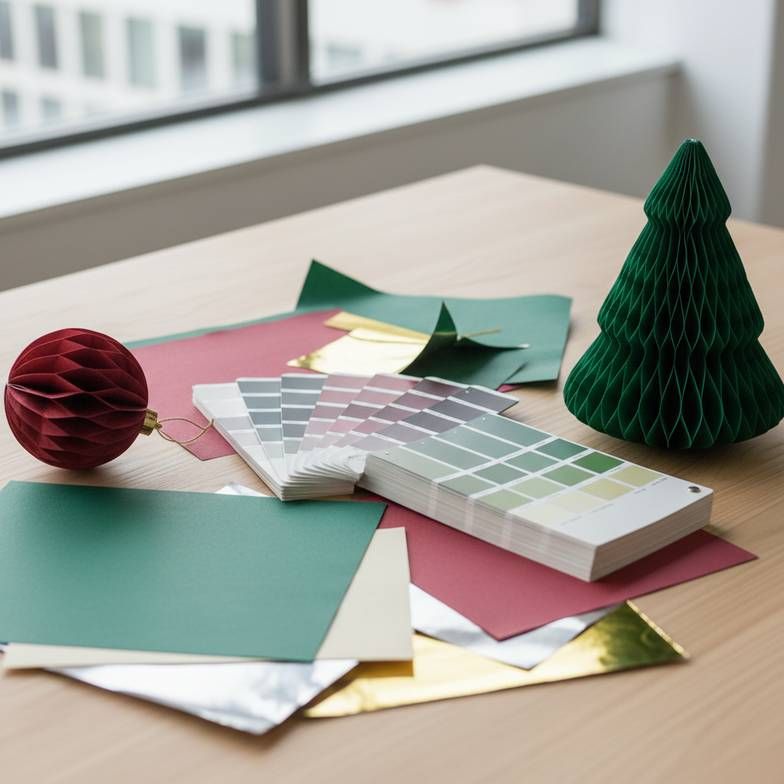
The solution is to source a custom collection, not just a custom product. This means shifting the conversation with your supplier from a per-item MOQ to a collection-wide MOQ. A flexible manufacturing partner can often produce a custom color of paper and then use it across several different products to meet their minimums.
Dive Deeper: The Insider's Playbook for Customization
Getting a unique look for your brand is totally achievable, but it requires asking the right questions. It’s about understanding the manufacturing process and aligning it with your commercial goals.
From "Can You Customize?" to "What's Your Process?"
A vague question gets a vague answer. To really vet a supplier's capabilities, you need to get specific.
- Don't Ask: "Can you do custom colors?" (The answer will almost always be "yes.")
- Do Ask These Questions:
- "What is your process for developing a custom color palette based on our Pantone references? What is the acceptable margin of color difference?"
- "What is the total MOQ for a custom paper color run? For example, is it 500kg of paper?"
- "Can we apply that single color run across a collection of 5 different SKUs to meet the total MOQ?"
- "What are your sample approval milestones? Do we approve a lab dip, a paper sample, and then a final pre-production sample?"
- "What is the estimated lead time for each of those sampling stages?"
This line of questioning shows you understand manufacturing and helps you filter for suppliers who are true partners.
Planning the Annual Refresh
Great visual merchandising programs are built over years, not just for one season. I encourage my clients to think about their Christmas collection as a multi-year "program."
- The Core Collection: You can establish a core collection of 5-7 honeycomb shapes that work well for your brand. You might keep these same shapes for 2-3 years.
- The Annual Twist: Each year, you can refresh the entire collection simply by introducing one or two new colors to the palette and retiring old ones. This keeps the look fresh for returning customers without having to reinvent the wheel and re-source everything from scratch. This strategy dramatically reduces your product development costs and sourcing risks.
Verifying Capabilities Before Committing
Trust, but verify. Before you place a large order for a custom collection of Christmas honeycomb decorations wholesale, make sure you do your due diligence.
- Ask for Case Studies: Ask the supplier if they can share non-branded